
Long exposure photography focused on night sky nebulae using a minimum of 350mm focal length. The FAQ page covers the techniques and equipment used in detail
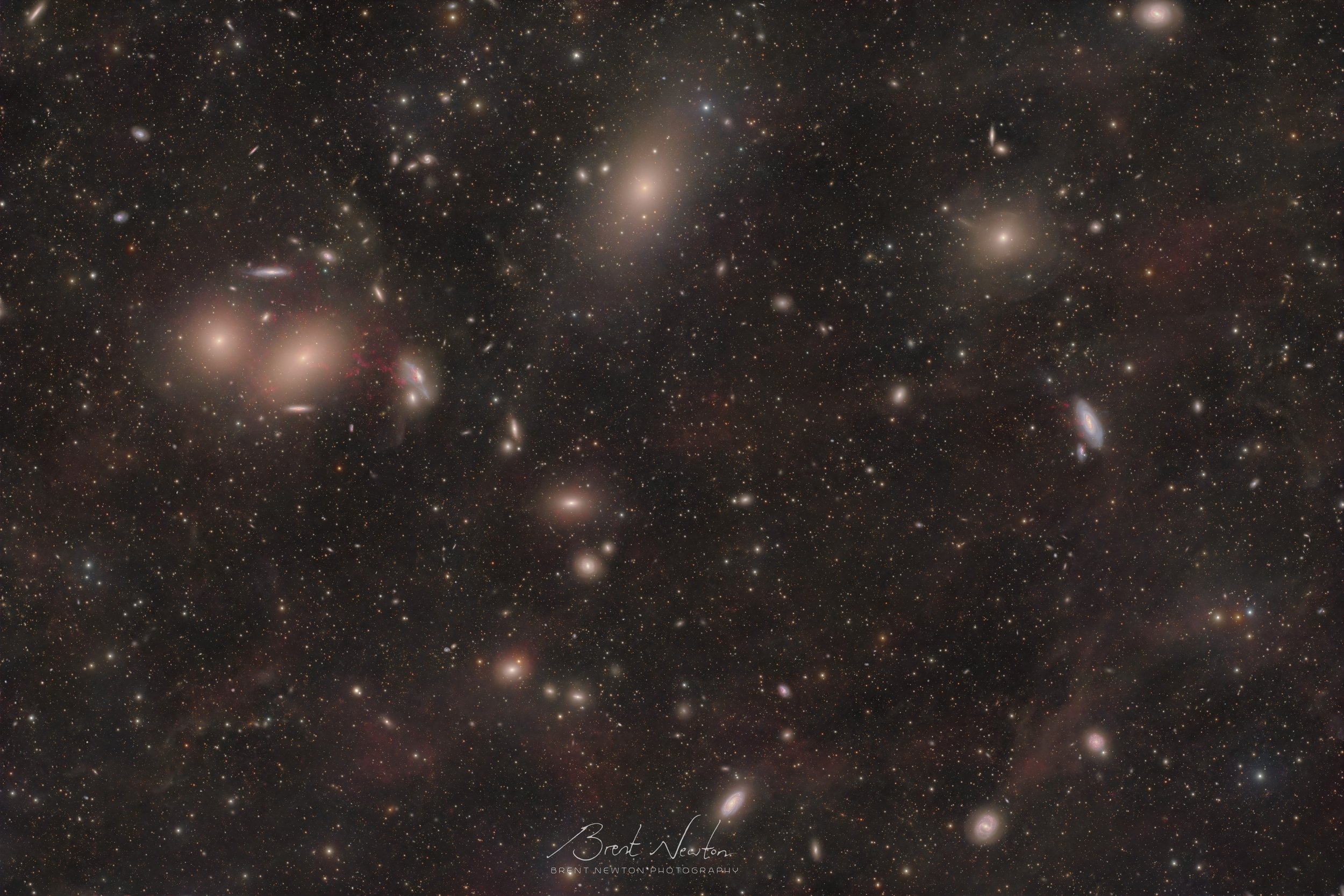
Markarian’s Chain (a section of the Virgo Cluster) captured across 104 hours from March-June of 2026
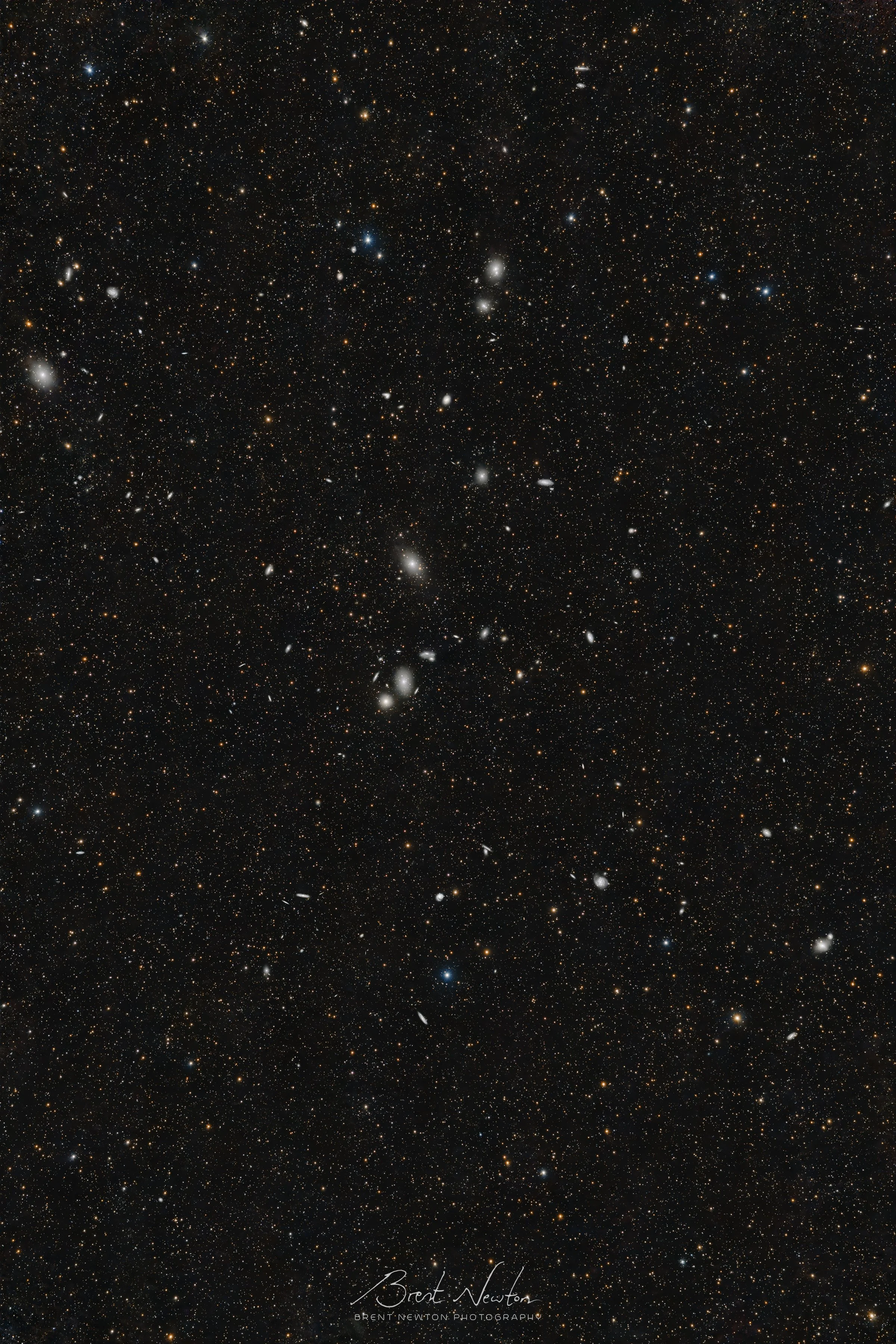
The Virgo Cluster captured across 15 hours during the 2026 Texas Star Party
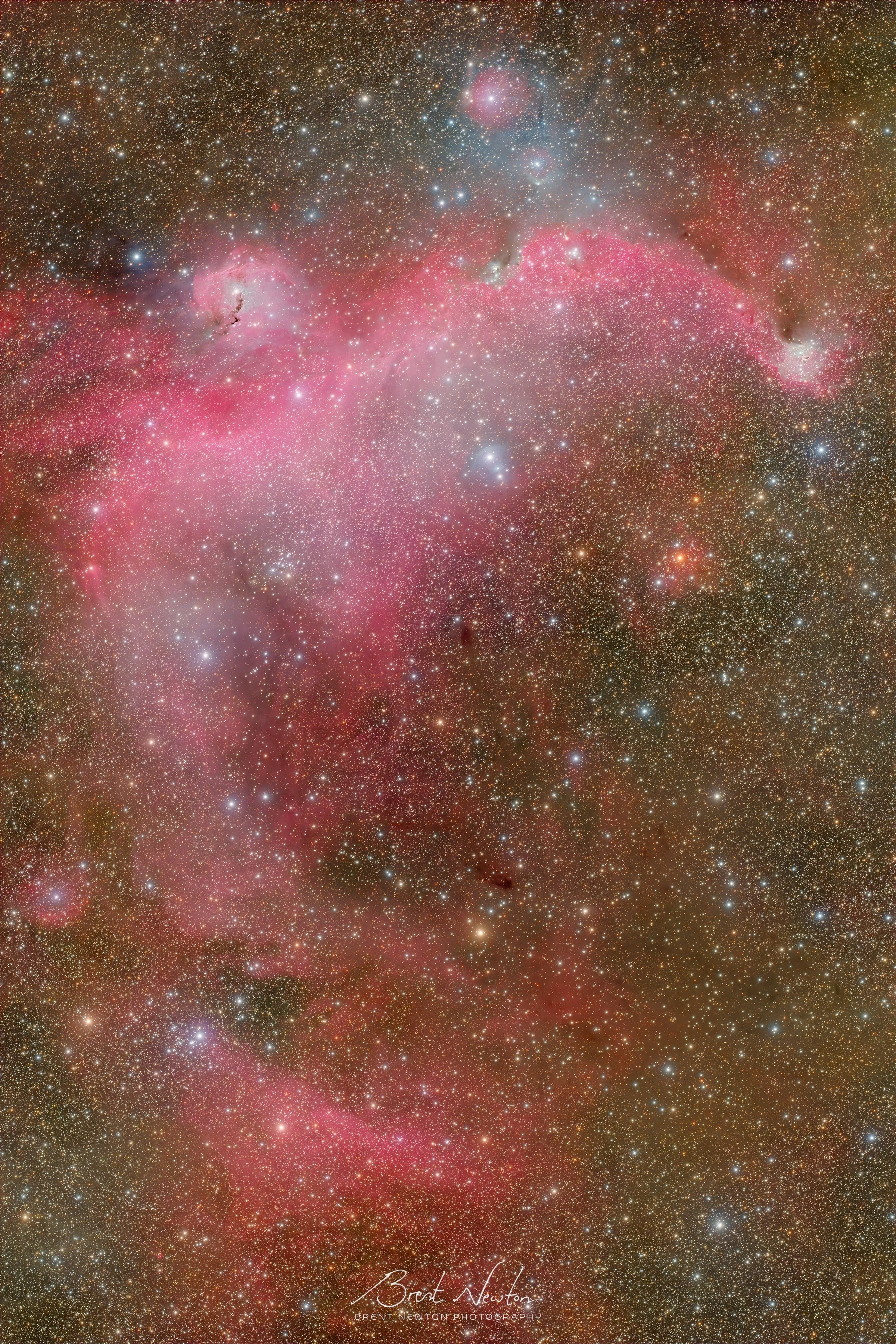
22 hours on the Seagull Nebula from March 2026
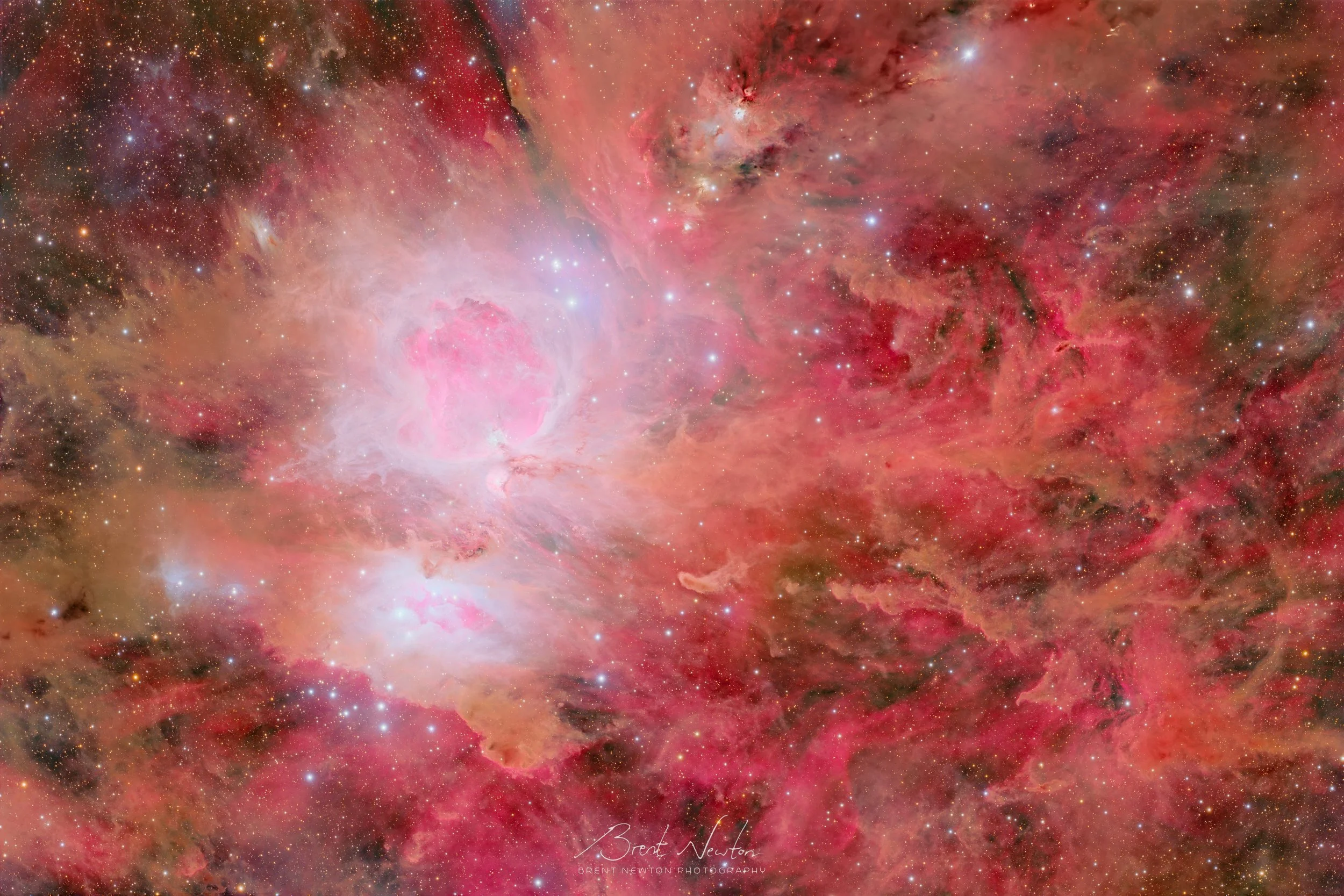
The Great Orion Nebula captured across nearly 100 hours of exposure from December 2025 through February 2026
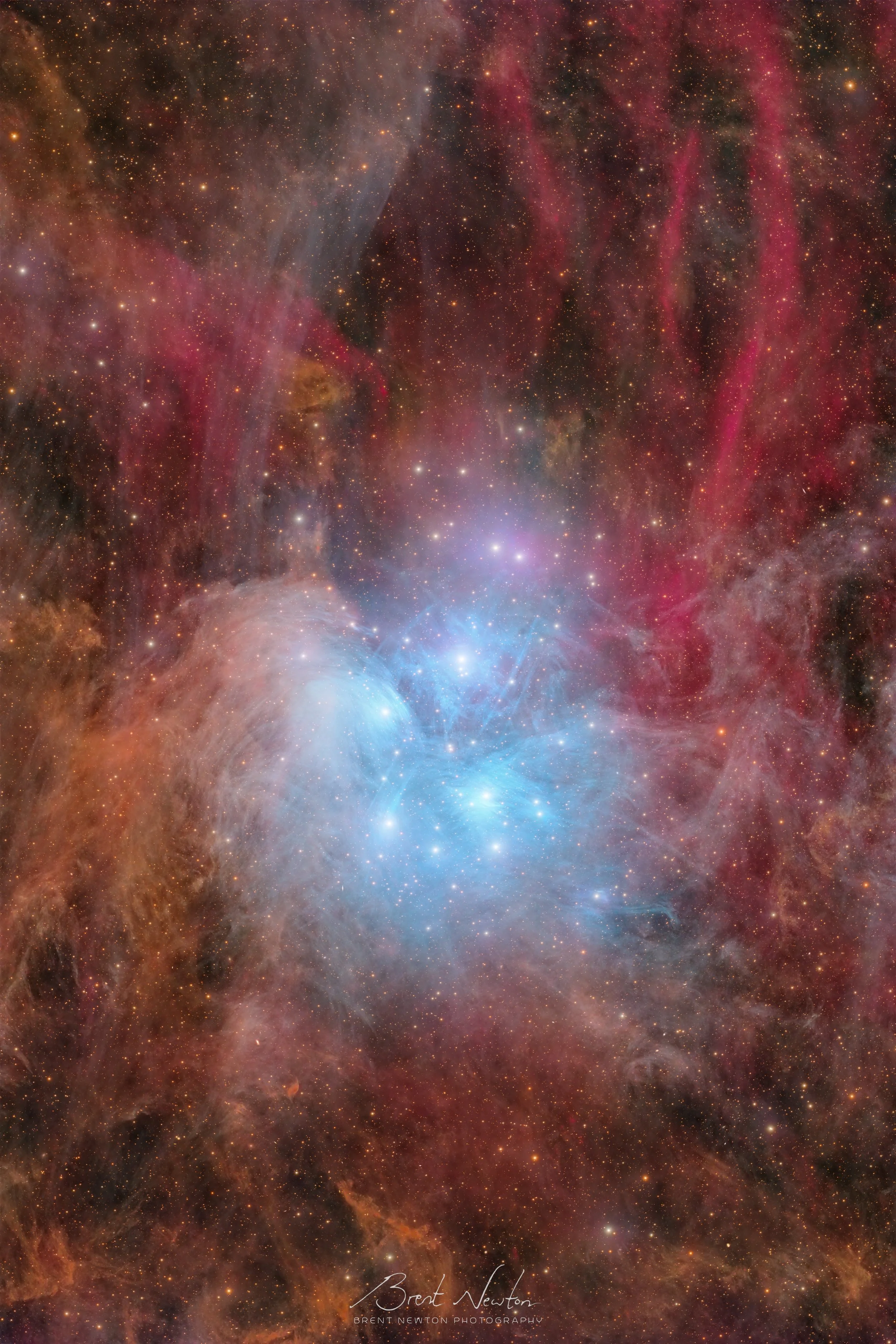
The Pleiades and surrounding Taurus Molecular Clouds, 88 hours exposure in HaLRGB from November 2025 through January 2026. Selected for Astrobin’s Image of the Day on April 13th, 2026
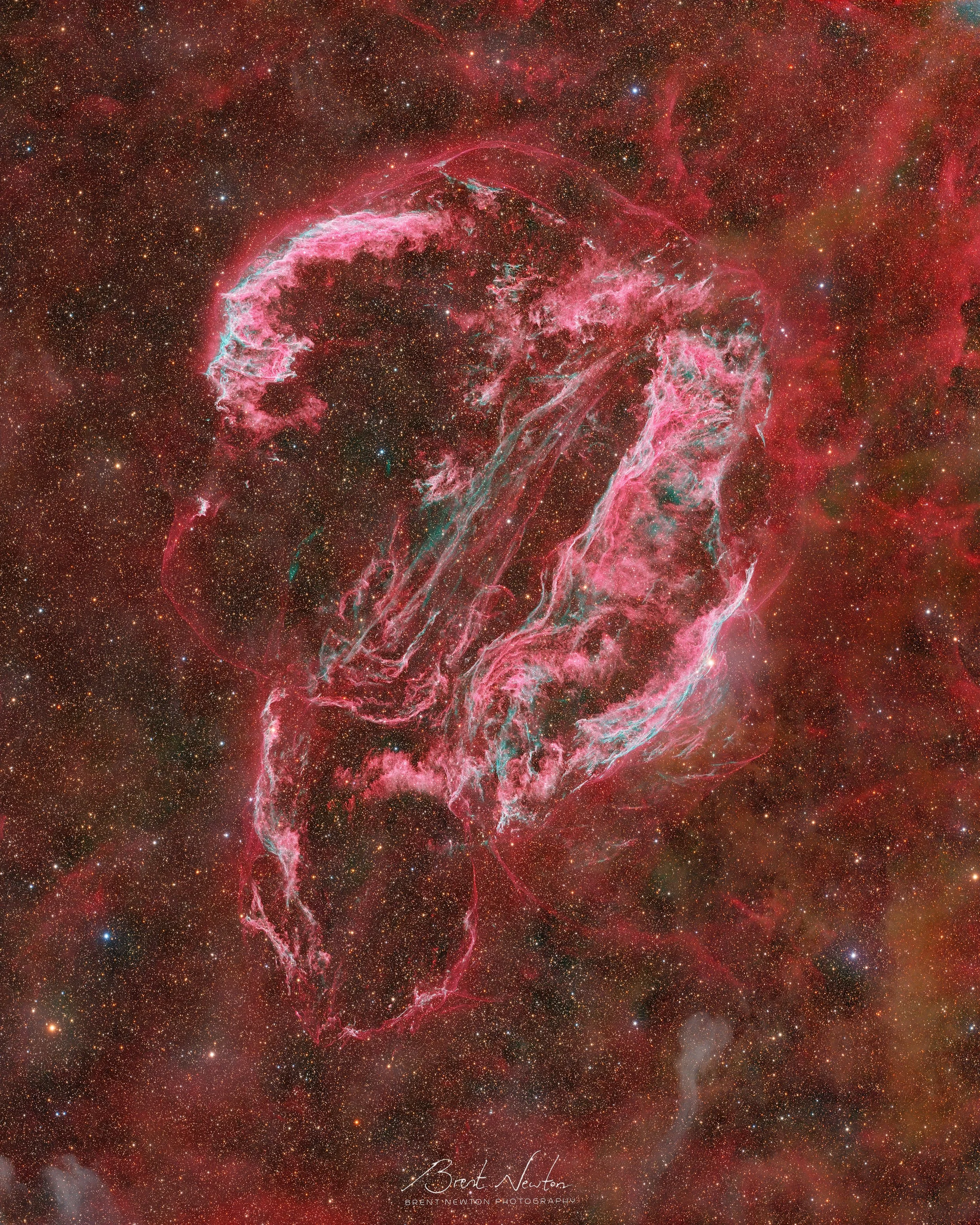
The Cygnus Veil captured across 326 hours during the last half of 2025. Selected for Astrobin’s Image of the Day on April 5th, 2026
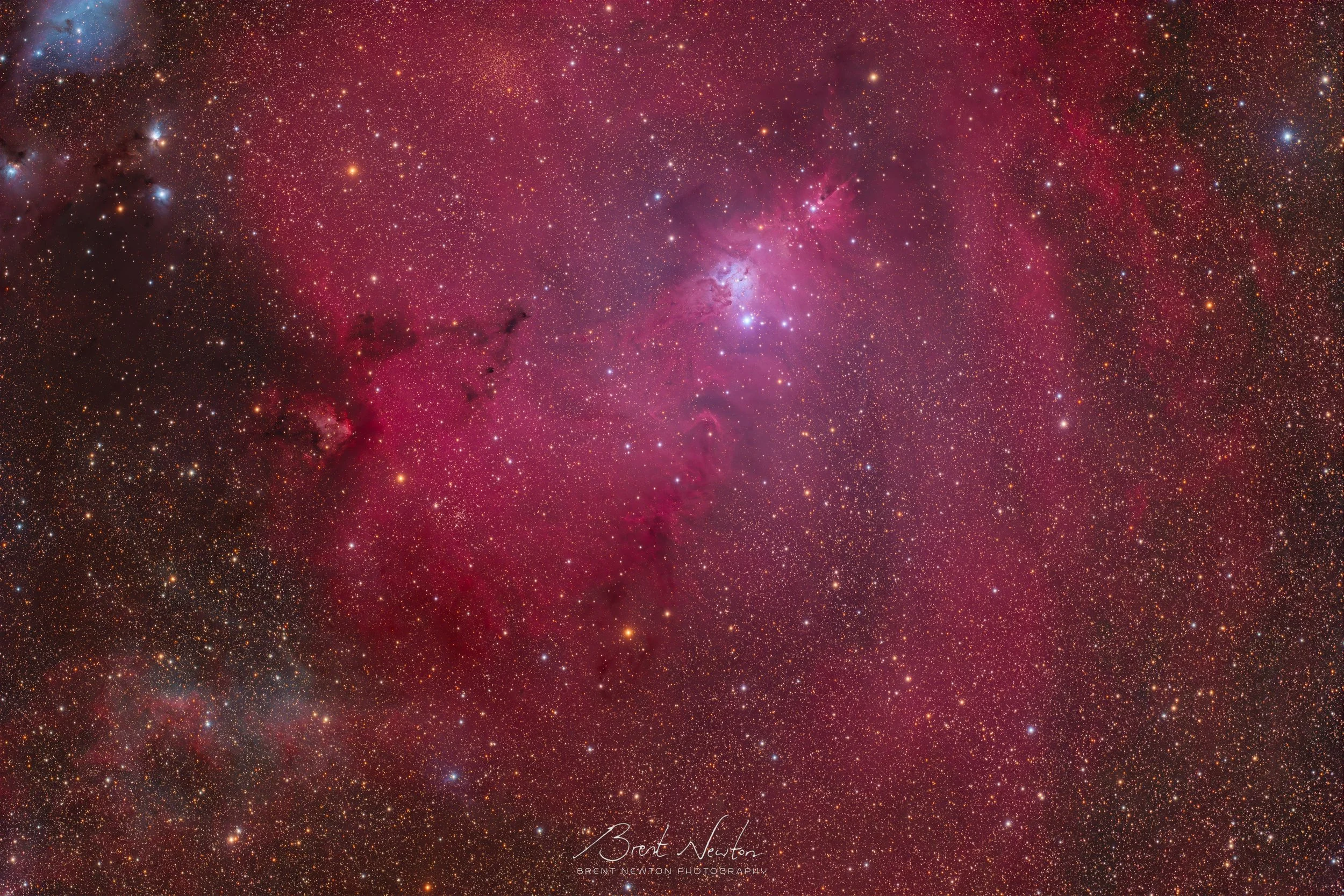
The Cone Nebula captured across 5 hours from September 2025
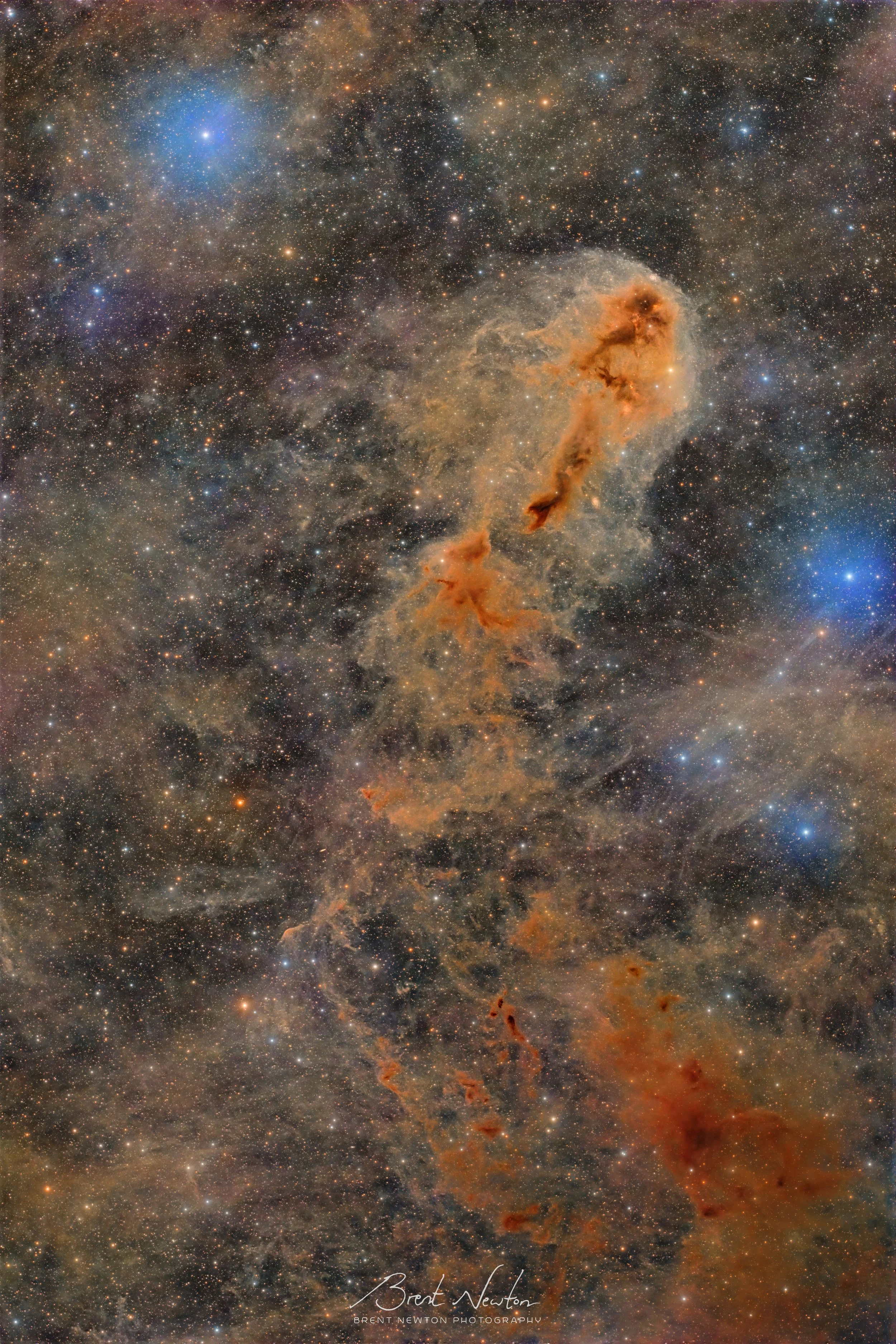
LBN 558, 38 hours captured July-September 2025
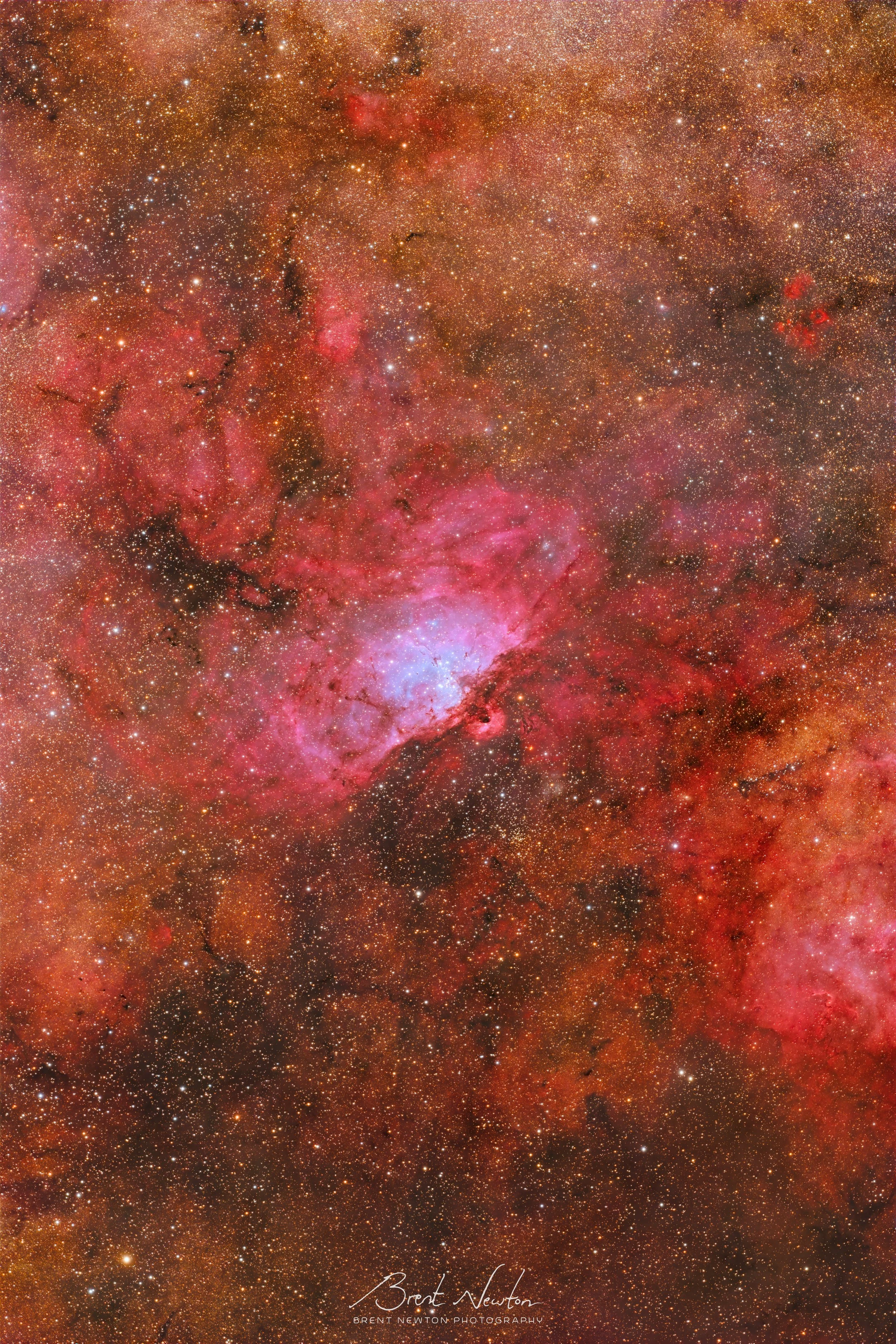
The Eagle Nebula Region, captured August 2025 using 13 hours of exposure
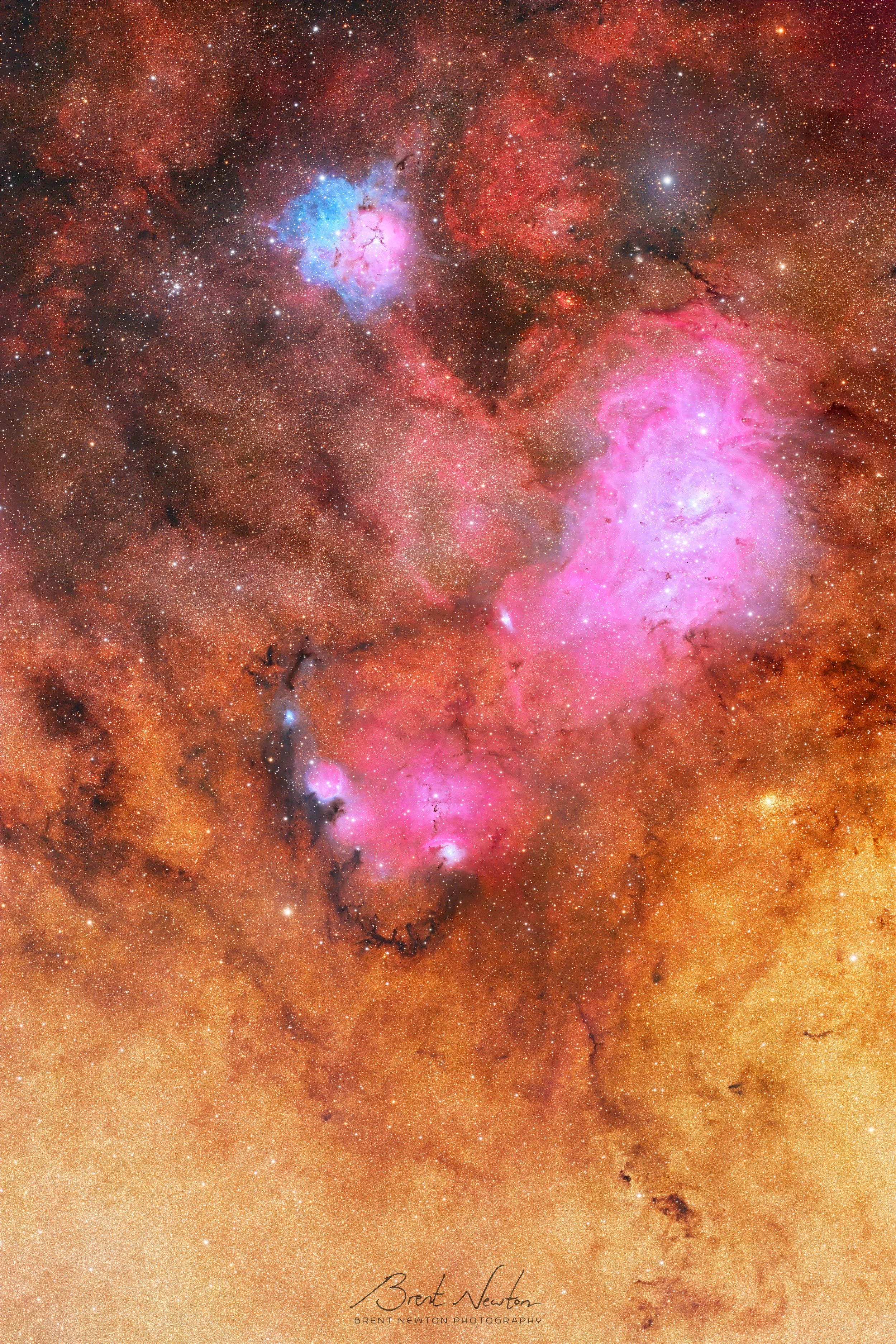
24 hours on the M8 and M20 region captured during August 2024
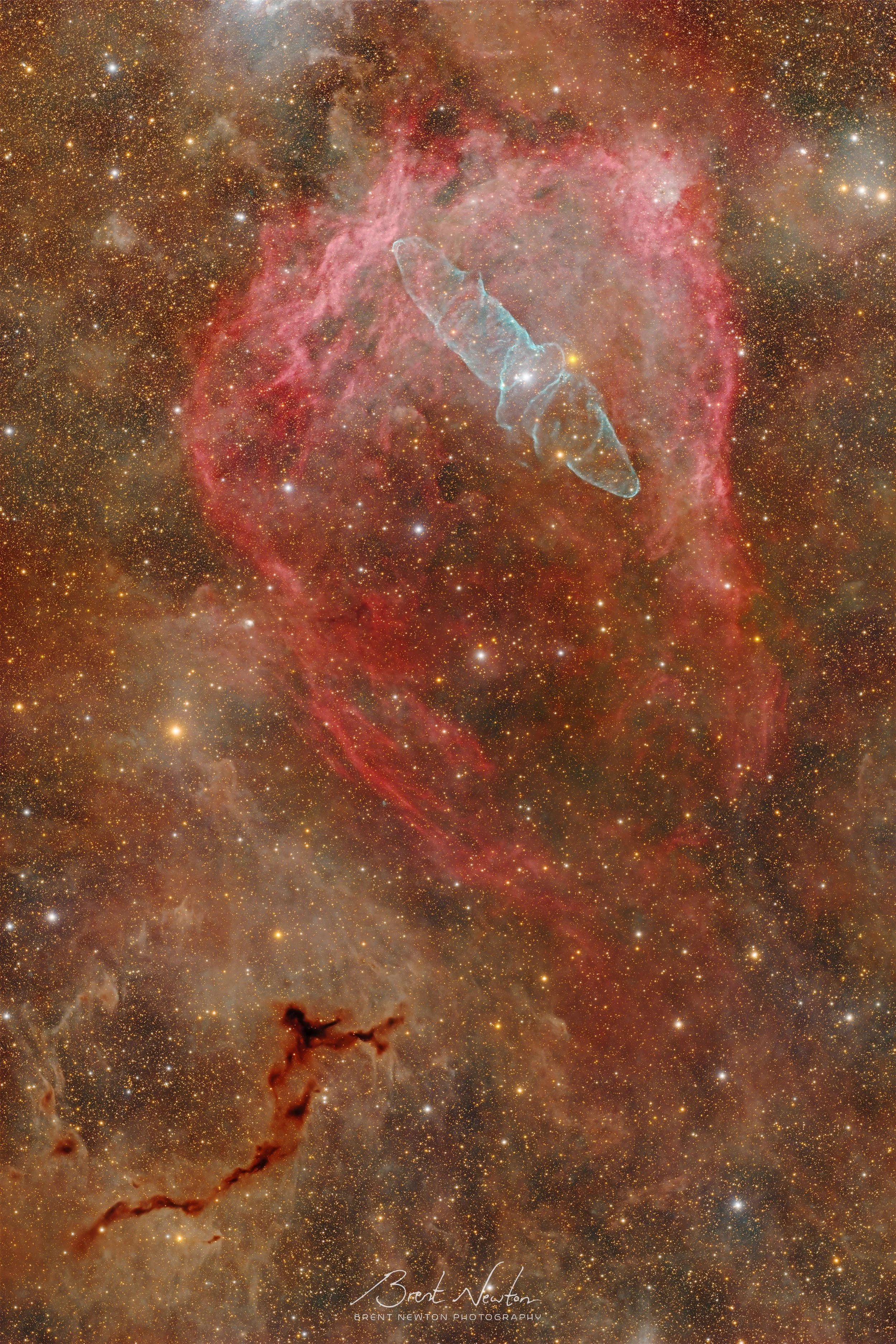
99 hours targeting the Sharpless 129 region and Ou4, captured June-July 2025
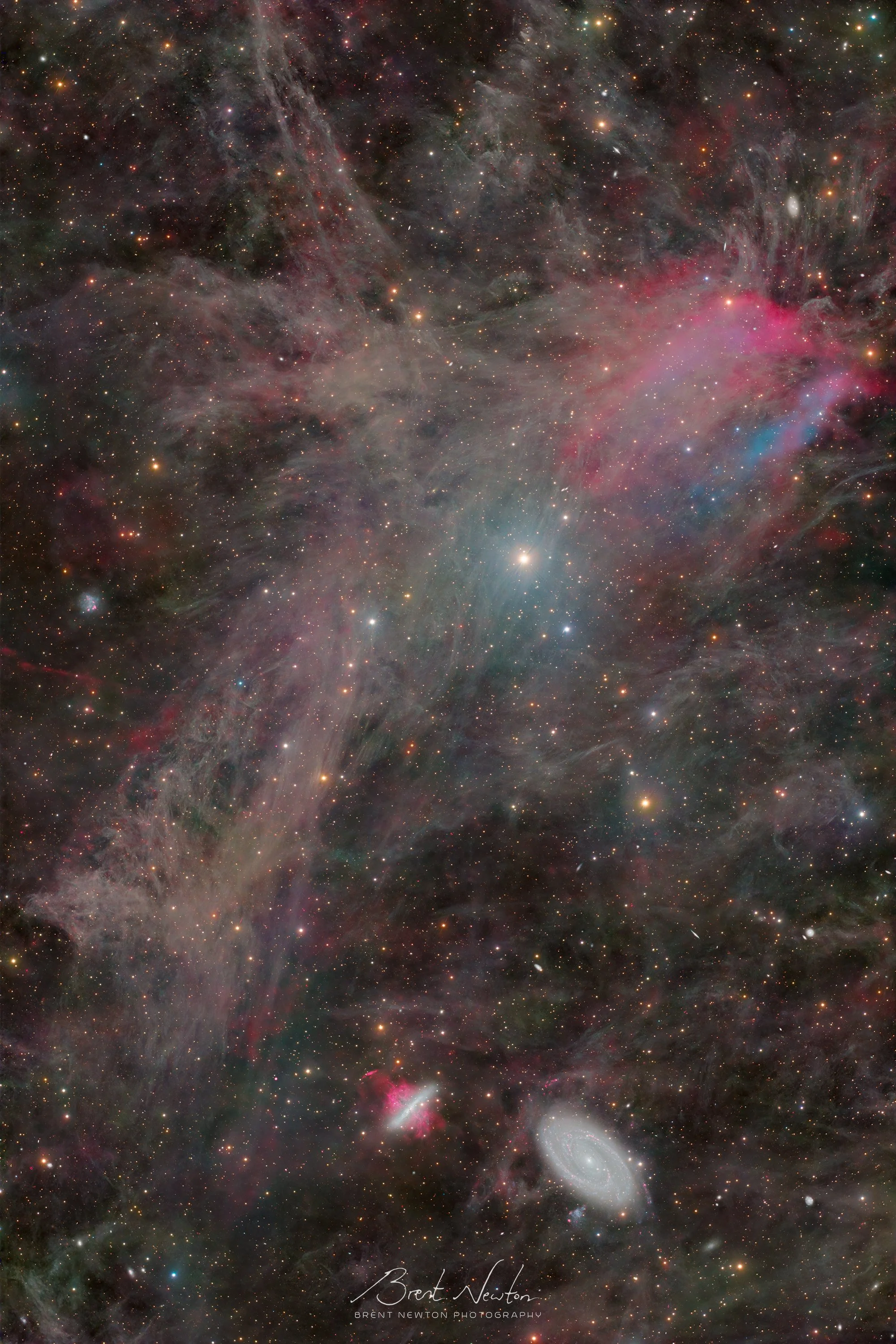
165 hour capture of the M81 and M82 Galaxies as well as the Vulcan Nebula, from Spring 2025
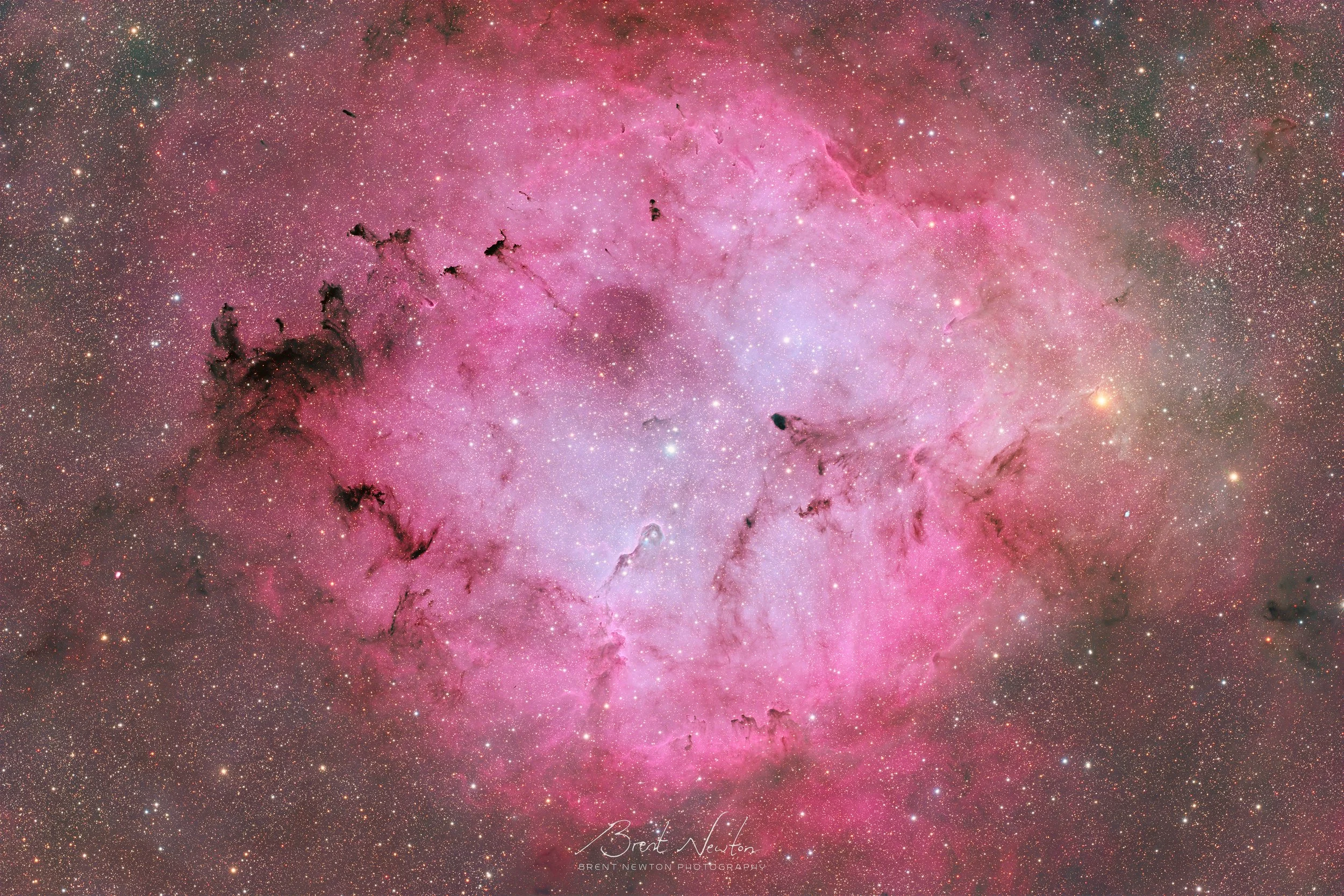
65 hours on the Elephant’s Trunk Nebula captured through early 2025

Sharpless 202 Region captured across 100 hours in Autumn 2024

25 hour capture of the Iris Nebula from the 2024 Okie-Tex Star Party from October 2024
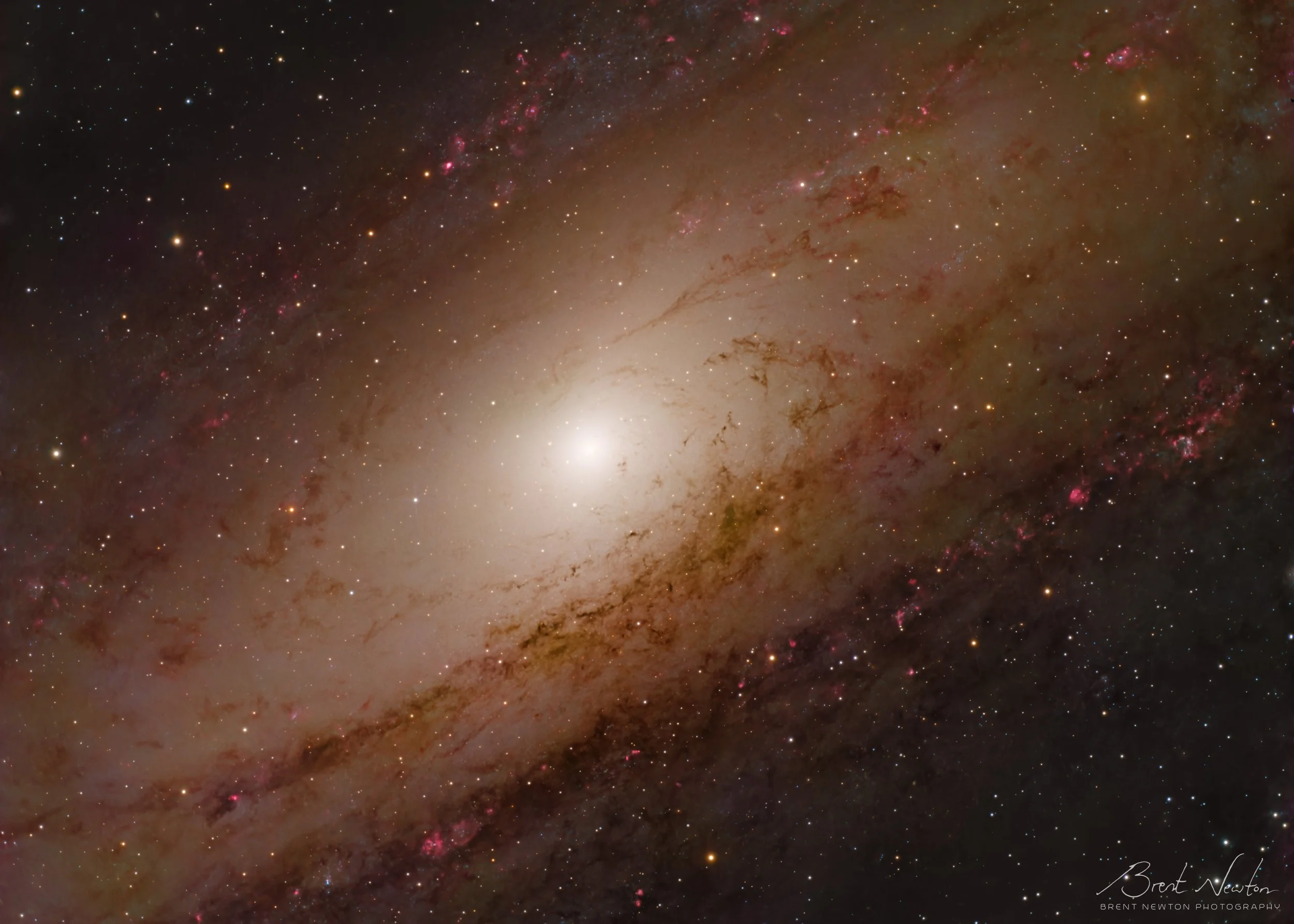
11 hour capture of the Andromeda Galaxy, December 2024
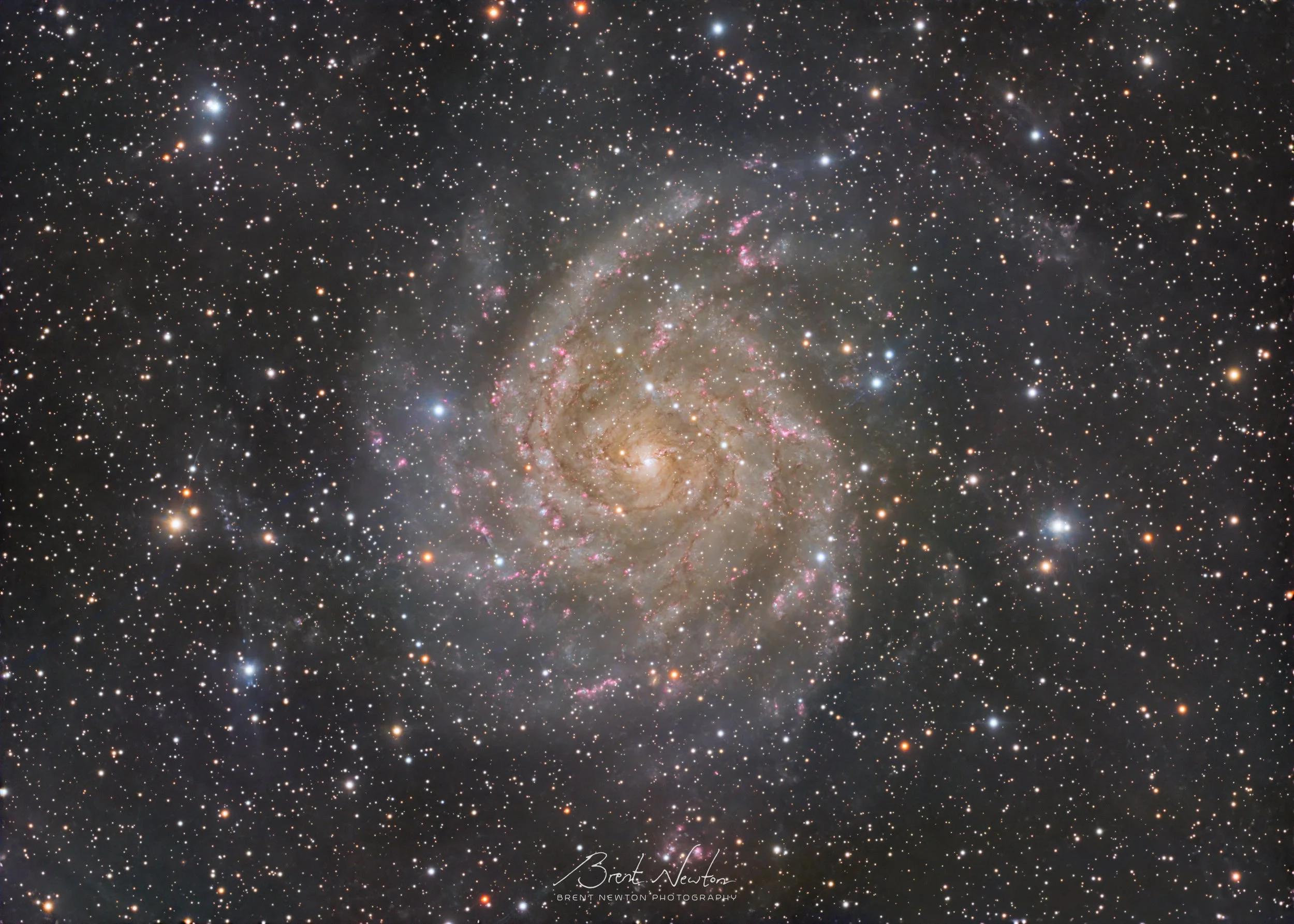
32 hours on IC 342, The Hidden Galaxy, Autumn 2024

38 hour capture on the M33 Galaxy from the 2024 Okie-Tex Star Party from October 2024

The Pinwheel Galaxy (M101) captured across 23 hours during February 2024

The M33 Galaxy captured with 3 hours of exposure from January 2024
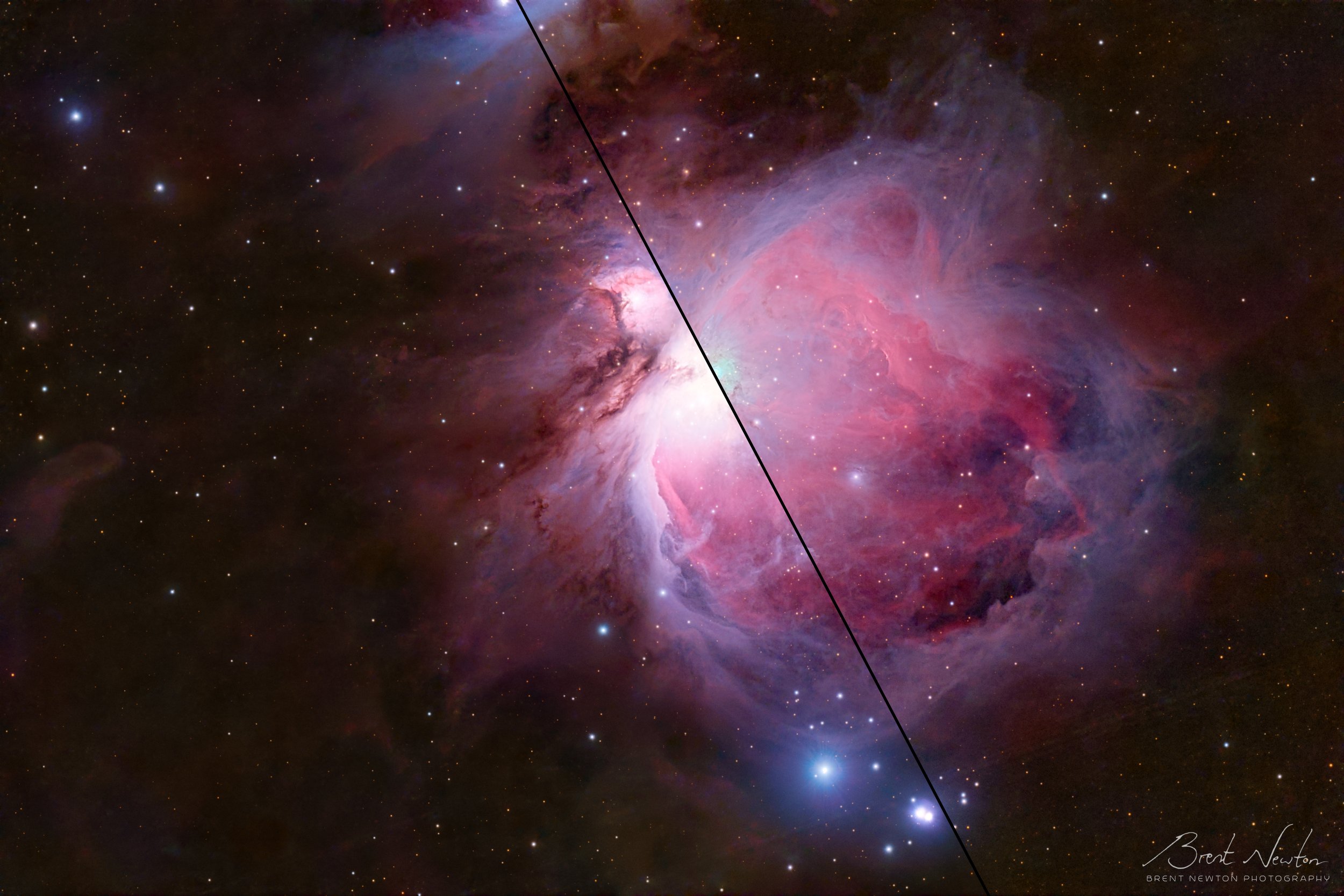
The Orion Nebula shot across 6 hours as a 4-panel mosaic from December 2023

The Rosette Nebula captured with 32 hours of exposure from February 2024
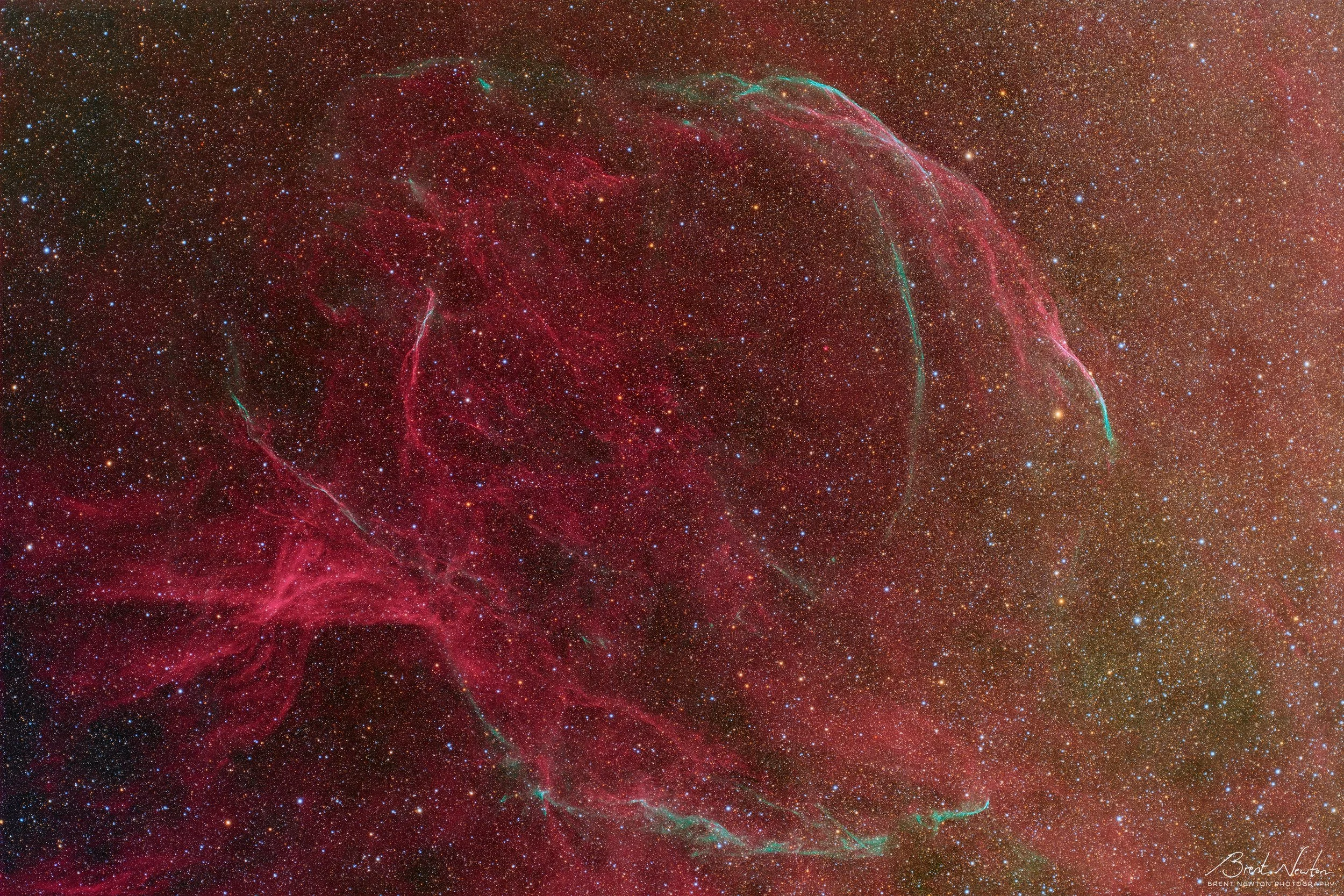
The Sharpless 91 region shot across 48 hours from June through September 2023

Sharpless 240 captured using 38 hours exposure from November 2022 to January 2023

The Orion Nebula captured over 2 hours on 14 March, 2023

Orion’s Belt captured in only 3 hours from January 2023

Sharpless 216 & 221 Region captured over 45 hours during November 2022 - January 2023 and AAPOD2 on 19 Mar 2023
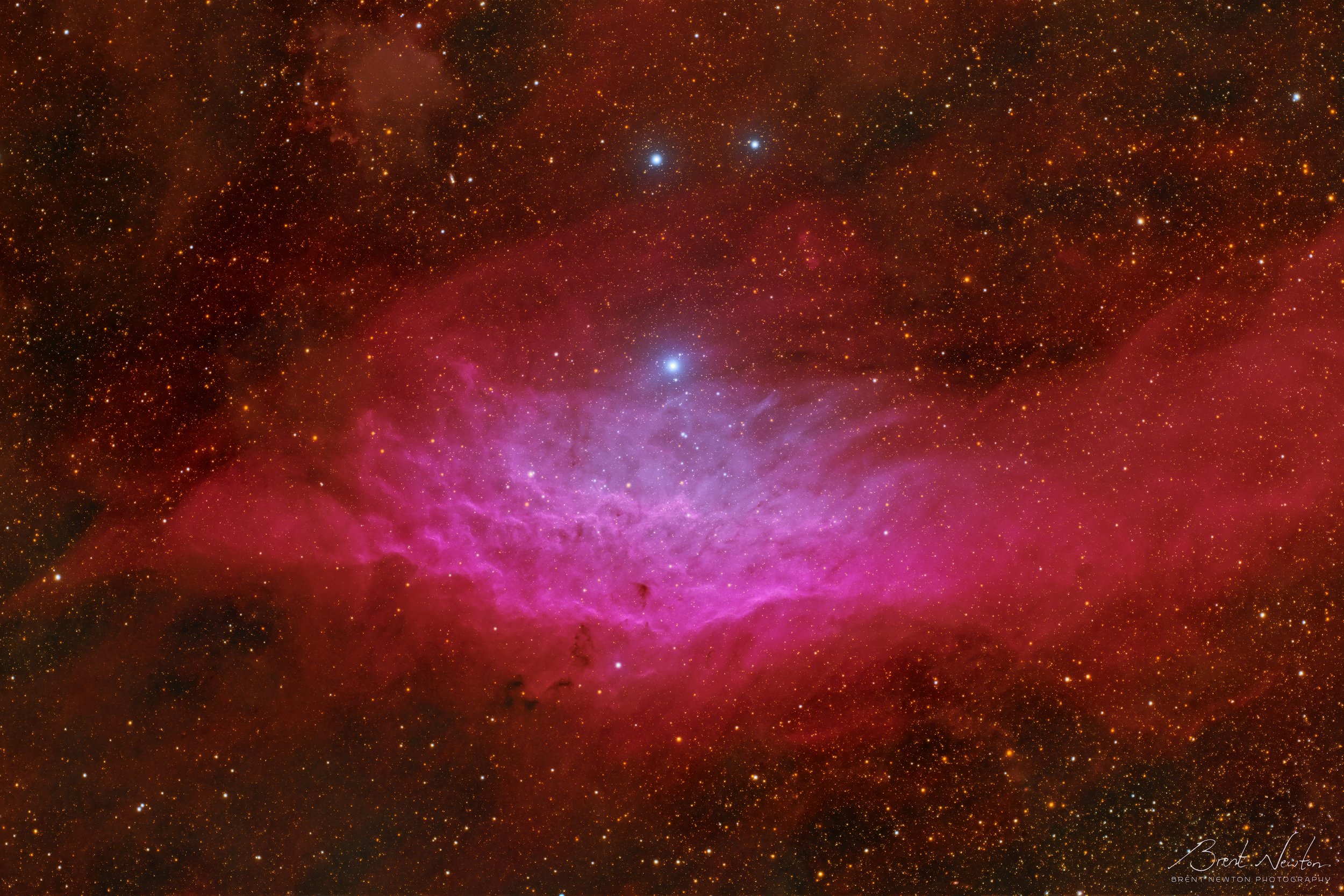
NGC 1499 captured using 39 hours total exposure from November 2022

NGC 7822, captured with 28 hours total exposure in late Summer 2021
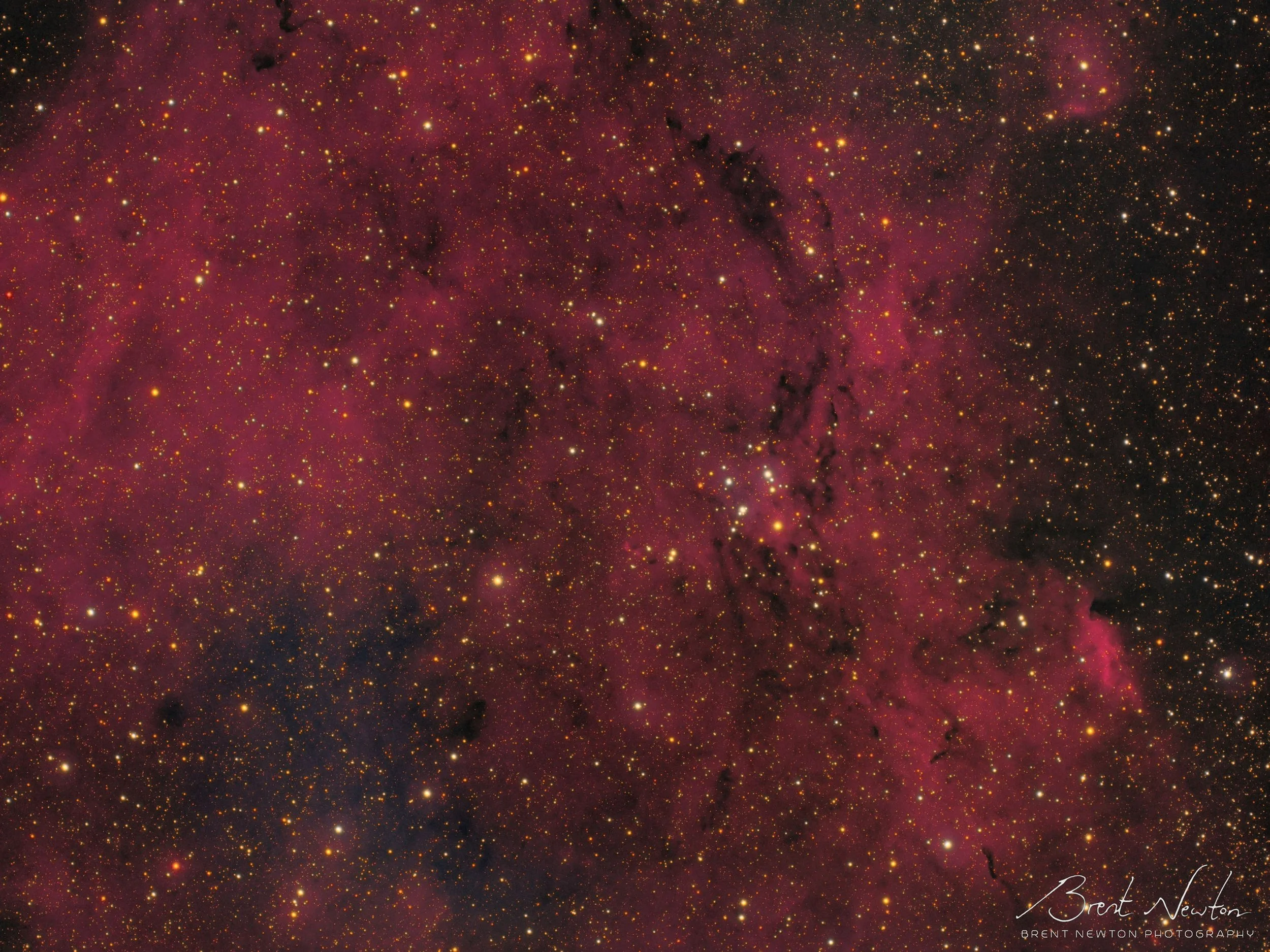
Sharpless 202, 18 hours of capture from October 2021

“The Pillars of Darkness” in Taurus. 16 hours exposure from the 2021 Okie-Tex Star Party and AAPOD2 for 23 Nov 2021

“The Reaper” in Aquila. 13 hours exposure from the 2021 Okie-Tex Star Party and AAPOD2 on 23 Dec 2021

Snake Nebula region, 9.75 hours exposure from June 2021

A section of the Large Sagittarius Star Cloud, 9 hours exposure from July-August 2021

A photo series on the North American Nebula - click on the photo to learn more about the differences between each. 27 hours total taken throughout Summer 2021

M33, The Triangulum Galaxy, captured in LHαRGBOiii with 69 hours of exposure in Oct-Nov 2020

Barnard 18, a Dark Nebula in Taurus. Shot Nov-Dec 2020 using 46 hours exposure

NGC 6888 in HαRGB using 25 hours exposure from late Summer 2020

The Double Cluster in Perseus, shot with 12 hours exposure in December 2020

The Summer Beehive Cluster, a 45M year-old Open Cluster 1,200 LY away shot in 6 hours exposure in May 2020

The Virgo Cluster, 37 hours exposure from April 2020 showing hundreds of galaxies 50+ million light-years distant

Sharpless 73, shot in April-May 2020 with 30 hours of exposure

M81 & M82 galaxies with foreground IFN, 40 hours total exposure from Spring 2020

Orion’s Belt Region, 60 hours of Hα, Oiii, and RGB taken across 3 panels in early 2020

Venus transiting the Pleiades from April 3, 2020

The Cave Nebula in Cepheus captured in 34 hours of HαRGB in October 2019

The Heart Nebula, a 2-panel mosaic captured with 90 hours of exposure during Autumn 2019

The Shark Nebula, 15 hours of exposure from the 2019 Okie-Tex Star Party

The Hidden Galaxy in LHαRGB, 32 hours of exposure from the 2019 Okie-Tex Star Party
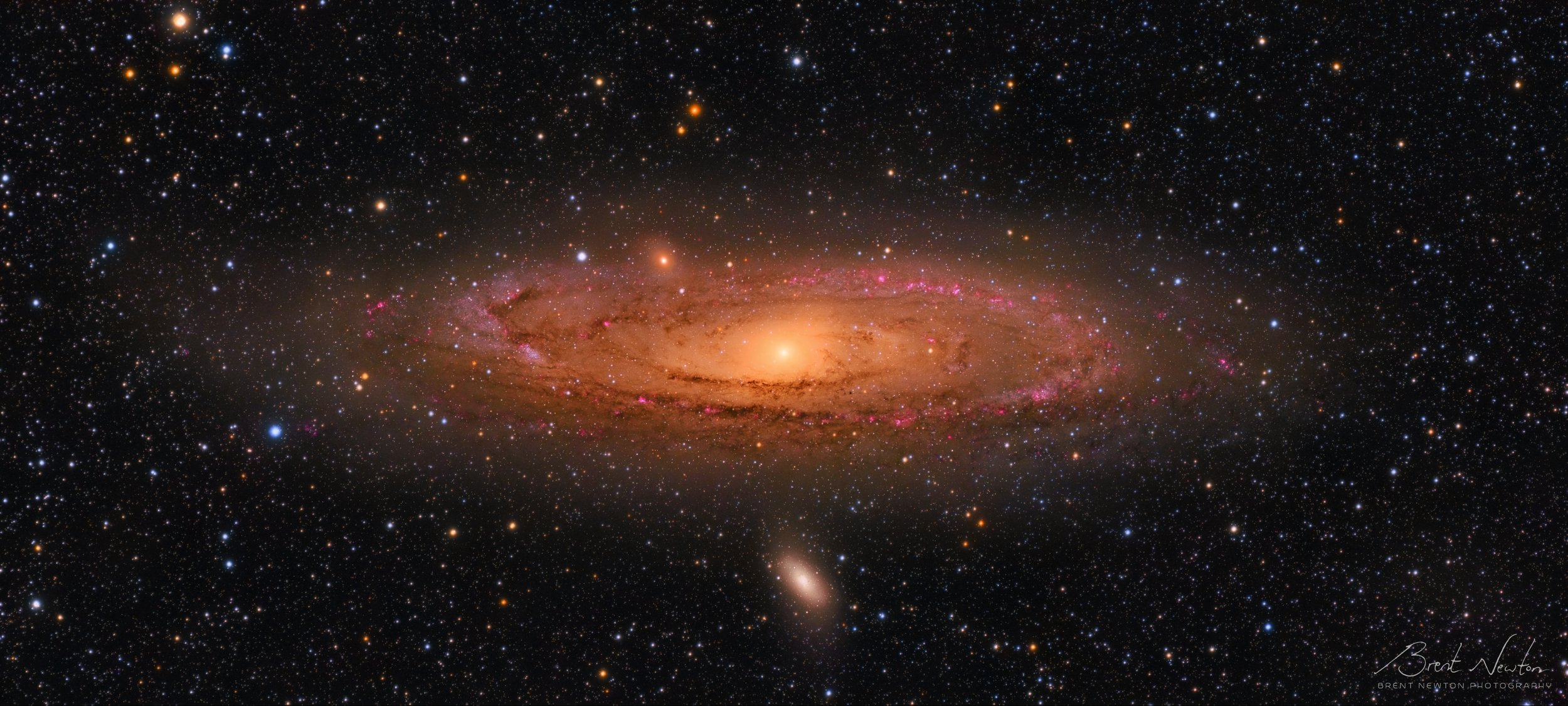
The Great Andromeda Galaxy, 36 hours of exposure from Autumn 2019
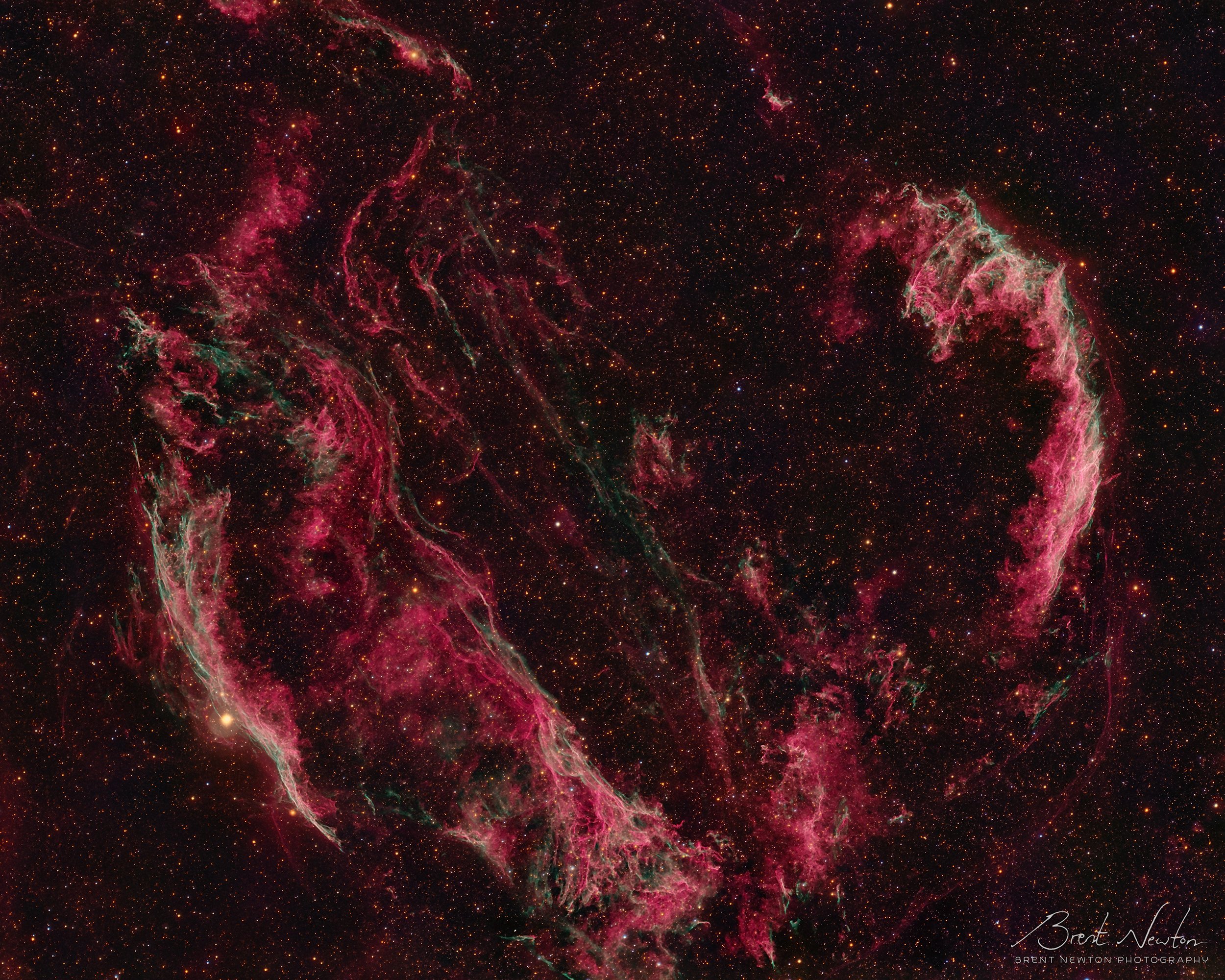
The Cygnus Veil captured with 56 hours across 2 panels in HαOiiiRGB in July-October 2019

The 7 Sisters taken in 15 hours of LRGB from Wichita in November 2019

The Sadr Region in SHO False Color. 4 hours total exposure from August 2019
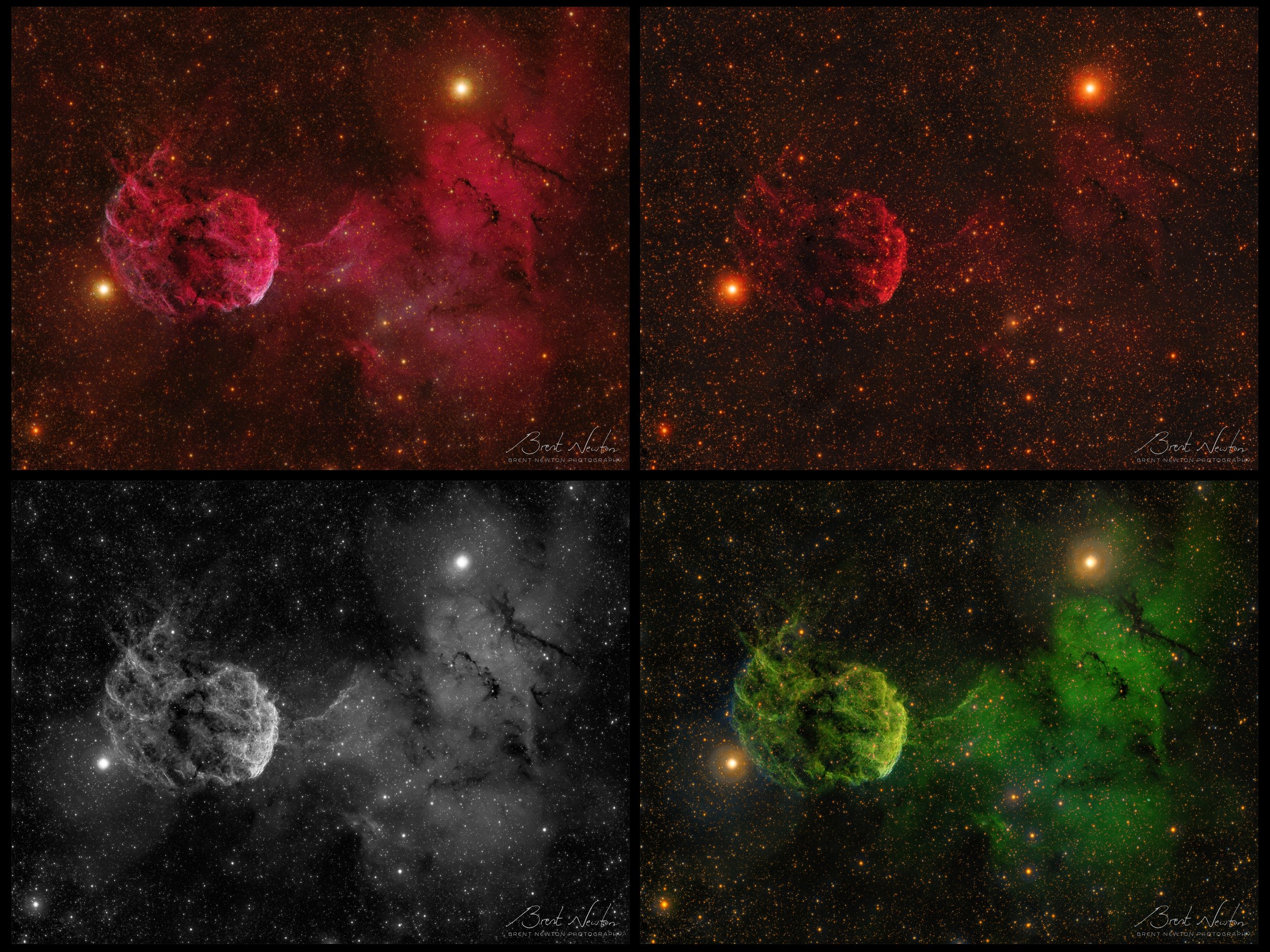
The Jellyfish Nebula, a supernova remnant pair in Hα/RGB/Oiii. 72 hours total exposure from Spring 2019
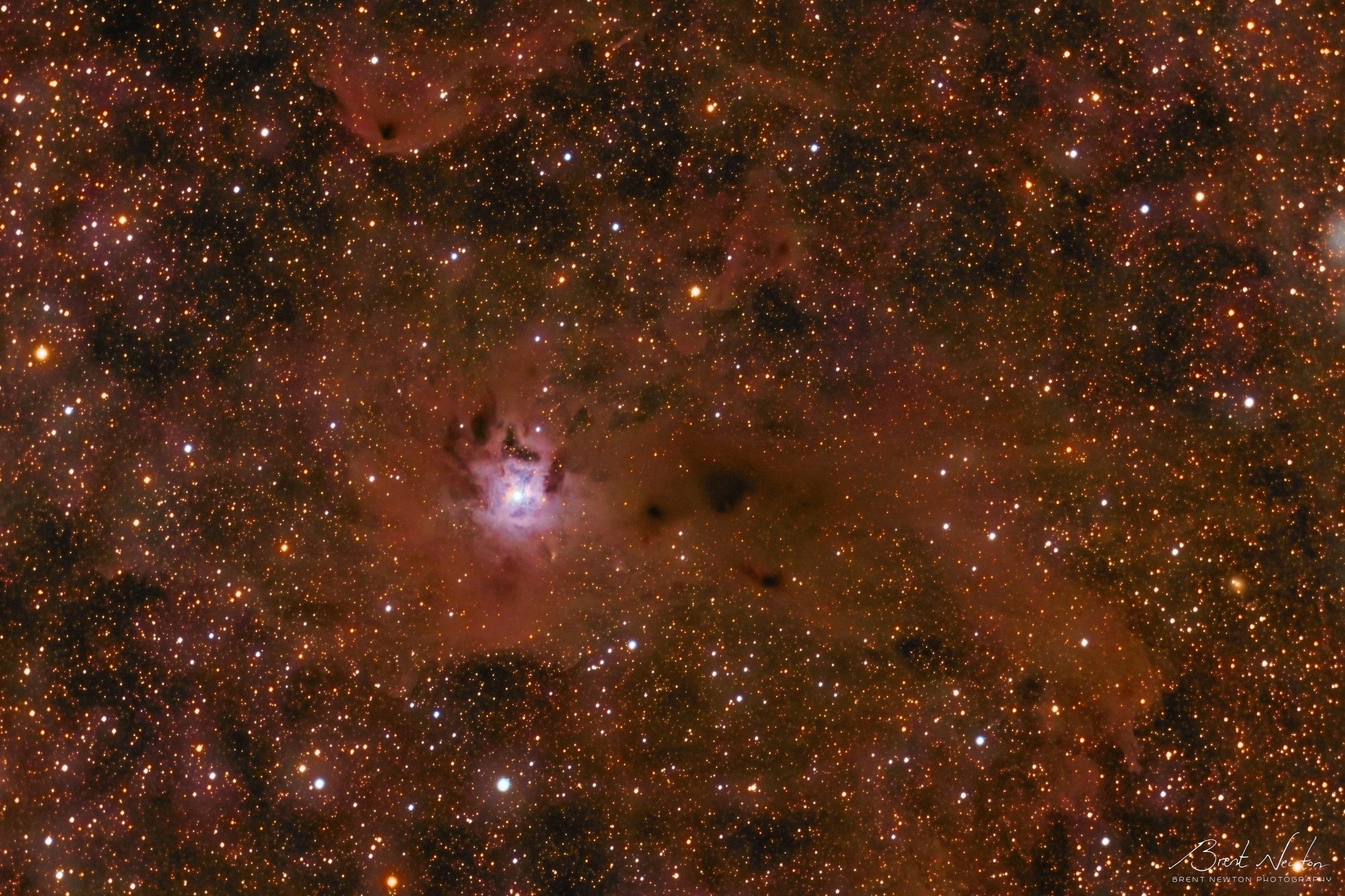
The Iris Nebula, 17 hours exposure from August 2018

The Wizard Nebula, 29 hours exposure from Oct-Nov 2018

The Orion nebula, 20 hours exposure from December 2017

The North American & Pelican Nebulae, 2 panel-mosaic from July 2018. Total of 24 hours of exposure

The Flaming Star Nebula in Auriga, 12 hours exposure from December 2017

The Lagoon and Trifid nebula, taken with 6 hours exposure in July 2017, later supplemented with 1 hour of narrowband from July 2020

The Heart & Soul nebulae, taken as a 3-panel mosaic with 62 hours total exposure in Autumn 2017 using an astromod T3i and 72mm doublet

M81 & M82 galaxies, 7 hours exposure from January 2017

NGC 891, an edge-on Galaxy 27M LY distant. 3 hours exposure from January 2017

The Orion Nebula, originally captured in November 2016 with 4.5 hours exposure and later supplemented with 6 hours of narrowband in 2018
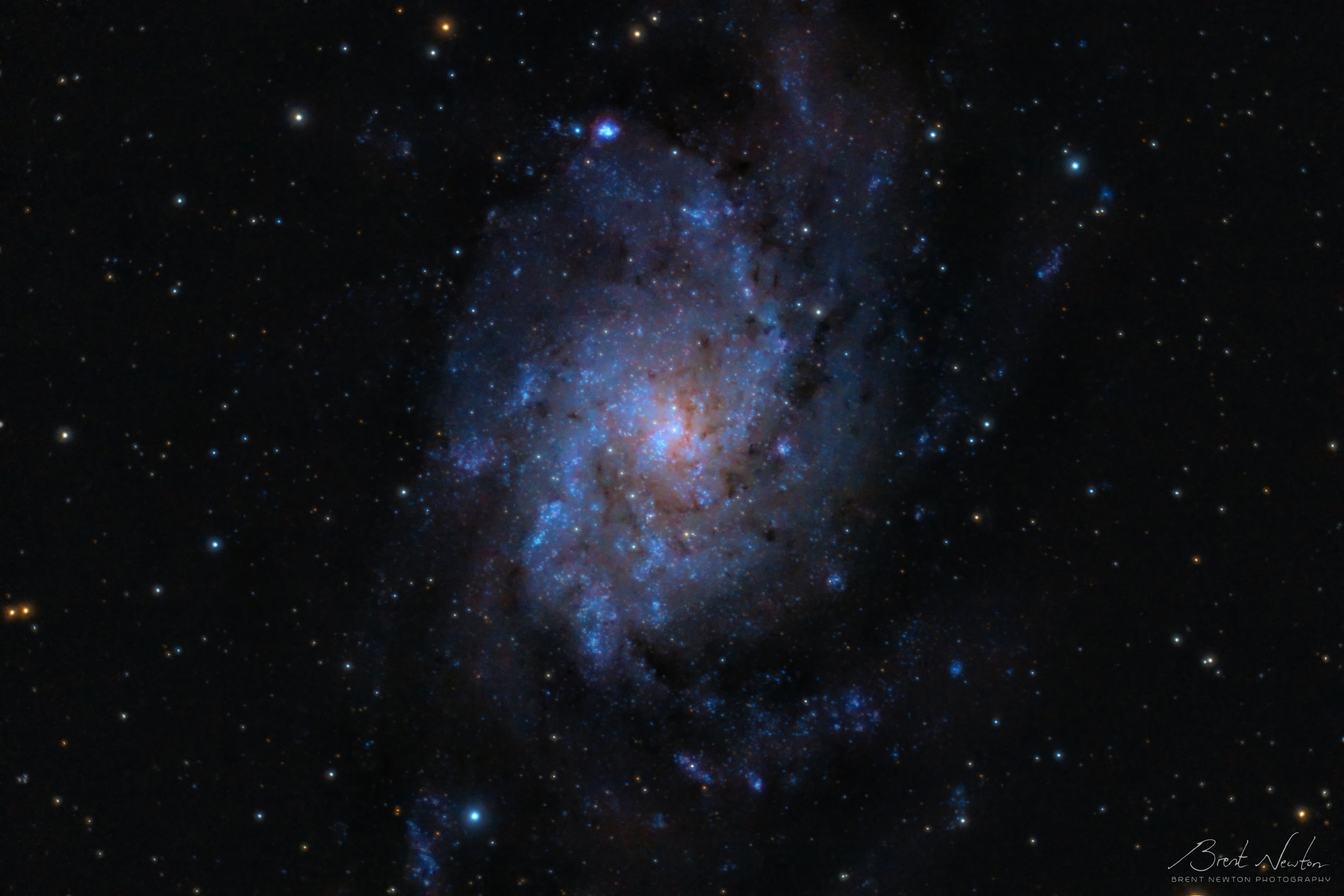
The M33 Galaxy, 35min capture from October 2016

The Eagle Nebula, 4 hours exposure from September 2016

NGC 7635 captured with 2.75 hours exposure from September 2016

NGC 6888 captured with 1 hour total exposure from September 2016

M27 captured with 1.5 hours exposure from July 2016

The M51 Galaxy with 55 minutes exposure from July 2016